If you have ever checked the price of a property at the beginning of a development and returned a few months later, you may have noticed something: the price has changed.
For some buyers, this can be confusing. They may wonder, “Why did the price increase when the same property is still being built?”
The answer is simple: property prices are not always fixed throughout the development process. Several factors can affect the cost and value of a property from the time it is launched until construction is completed.
Here are some of the major reasons.
1. Construction costs can increase
One of the biggest reasons property prices change is the rising cost of construction.
Developers have to pay for cement, steel, sand, roofing materials, tiles, electrical components, plumbing materials, labor and transportation. When these costs increase, the overall cost of delivering the property can also increase.
For example, a 2025 report noted that cement prices in Nigeria had remained around ₦10,000 per 50kg bag, even as headline inflation continued to decline.
More recent reporting in 2026 also found that some major building materials had increased significantly, with cement selling for as much as ₦12,000 – ₦13,000 per 50kg bag in some locations.

Research focusing on construction projects in Nigeria has similarly found that exchange-rate volatility significantly affects the cost of imported construction materials, while inflation affects local materials and labor.
This means a developer who priced a property based on yesterday’s construction costs may have to review the price as development progresses.
2. The property becomes more valuable as construction progresses

A property under construction carries a different level of risk from a completed property.
At the early stage, buyers are often purchasing based on approved plans, designs, location, and the developer’s track record.
As construction progresses, buyers can physically see the development taking shape.
– The foundation is completed.
– The structure goes up.
– The finishing becomes visible.
– Infrastructure begins to take shape.
With every major milestone, uncertainty can reduce, and the property’s perceived value can increase.
This is one reason early buyers may sometimes get a better price than someone who waits until the property is closer to completion.
3. Demand can increase
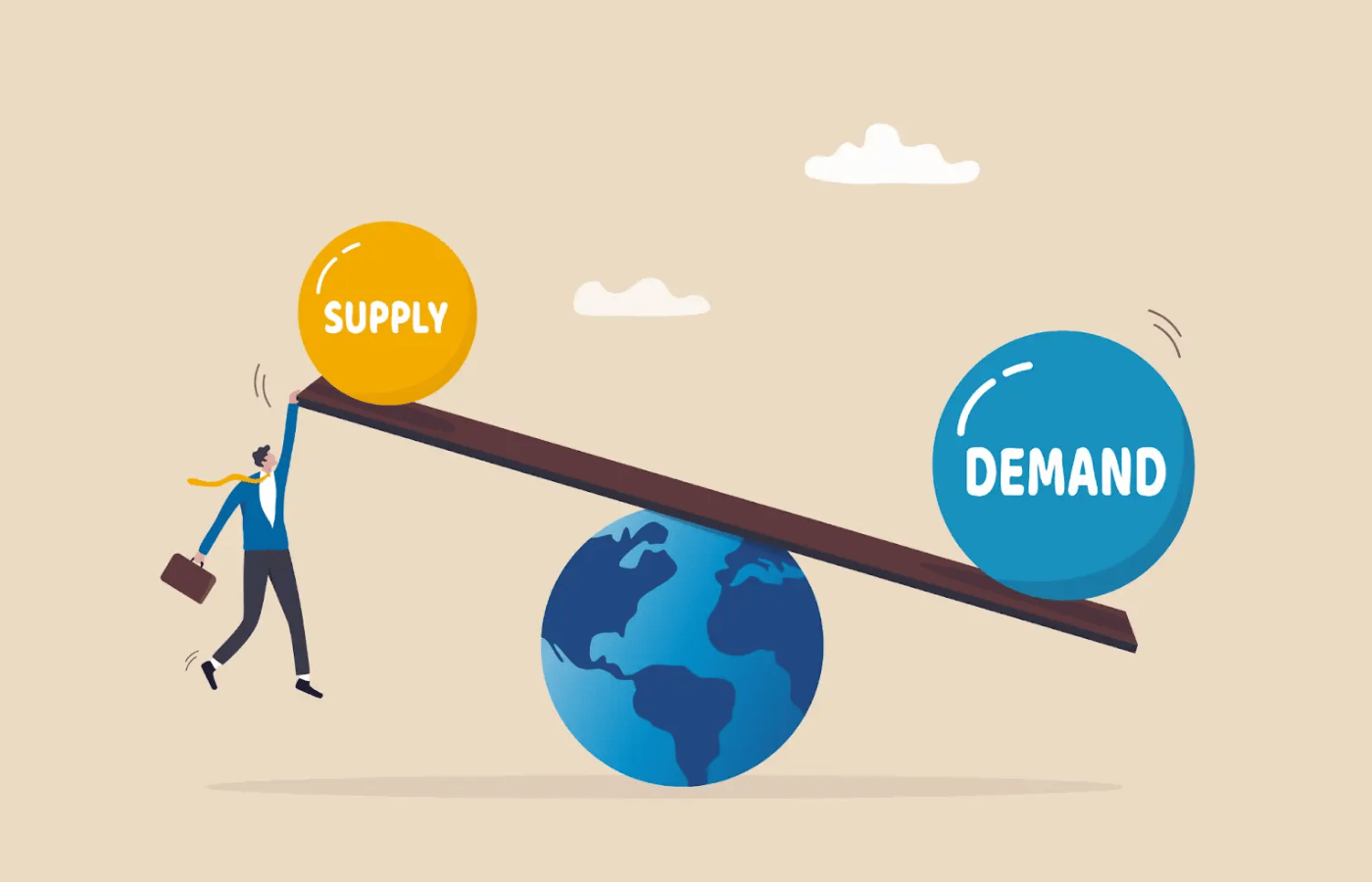
Property prices are also influenced by demand and supply.
When more people begin showing interest in a particular location or development, prices can change.
This is particularly relevant in Abuja, where infrastructure development and growing demand have contributed to significant increases in land values in some districts.
For example, a 2025 report citing the Ubosi Eleh & Co. real estate report stated that a 1,000m² plot in Katampe Main increased from ₦120 million in 2023 to ₦220 million in 2024, with a projection of ₦300 million by the end of 2025.
The lesson is important: location value can change while a development is still taking place.
4. Infrastructure can change the value of an area
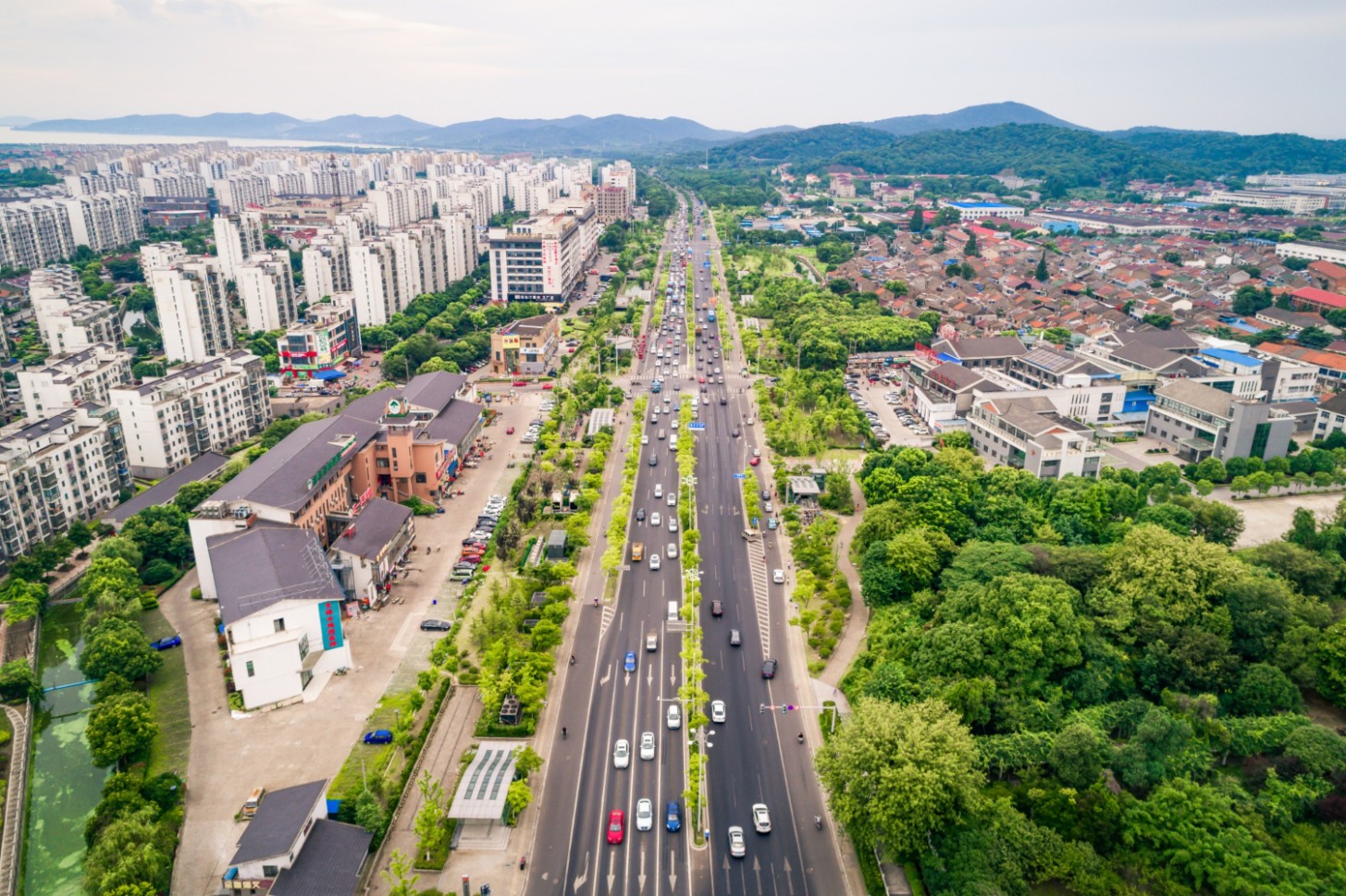
A property’s value is not determined by the building alone.
Roads, drainage, electricity, security, commercial activity, and other infrastructure can make an area more attractive to buyers.
As an estate develops and surrounding infrastructure improves, the perceived value of properties within the area can increase.
This is one reason investors pay attention not only to what is being built today, but also to what is planned for the surrounding area.
5. Developers may adjust prices between development stages
Many real estate developments have different price stages.
A developer may offer an introductory or pre-launch price to encourage early buyers and generate initial sales.
As more units are sold and construction progresses, the price may be reviewed.
For example:
Pre-launch → Launch → Construction stage → Near completion → Completed property
Each stage can have a different price.
This is not necessarily a sign that the developer is changing the price arbitrarily. It can be part of the project’s pricing strategy, especially when construction costs, demand, and market conditions have changed.
6. Inflation affects more than building materials
Inflation doesn’t only affect cement and steel.
It can also affect transportation, labor, professional services, equipment, energy, and other expenses involved in delivering a property.
A 2025 academic study on construction projects in Abuja found that Nigeria’s inflation rate increased from 11.40% in 2019 to 26.31% in 2024 and concluded that rising inflation had significant implications for building-material prices and construction projects.
This is why a property developer cannot always assume that today’s development costs will remain the same six or twelve months from now.
What does this mean for a property buyer?
It means waiting does not always mean getting a better deal.
Sometimes, buyers delay purchasing because they want to “see how the project goes.”
But by the time the development reaches a more advanced stage, the property may be more expensive.
On the other hand, buyers should not rush into a property simply because the price may increase.
The important thing is to understand why the price is what it is.
Before making a purchase, ask questions about the property’s title, approvals, payment structure, development timeline, infrastructure, construction specifications and the developer’s track record.
At Solap Signature Properties, we believe buyers should understand what they are paying for and why the value of a property may change as development progresses.
The goal should not simply be to buy early. The goal should be to make an informed investment decision.
Property prices can change during development because of rising construction costs, inflation, changes in demand, improved infrastructure, development milestones and general changes in the real estate market.
An early-stage property may be cheaper because buyers are taking on more development risk. As construction progresses and uncertainty reduces, the price may increase.
For buyers, the key is to look beyond today’s price and consider the location, documentation, development progress, infrastructure, construction quality and long-term potential of the property.
Ready to make a smarter property investment?
Don’t wait until your preferred property reaches its highest price before taking action.
Explore available properties with Solap Signature Properties, ask the right questions and book a site inspection to see the development for yourself.
Leave A Comment