Imagine buying a beautiful ₦300 million house in Abuja. The location is great, the finishing is impressive, and everything looks perfect during your inspection.
But six months after moving in, the door handles start breaking, water starts leaking through the ceiling, the pumping machine develops a fault, and your monthly electricity and security bills are higher than expected.
Suddenly, the question is no longer just, “Can I afford this house?”
It becomes, “Can I afford to maintain this house?”
This is one of the most important questions to ask before buying a property, yet many buyers focus almost entirely on the purchase price.
At Solap Signature Properties, we believe buying a home should be about more than how beautiful it looks on the day you receive the keys. It should also be about how well it serves you in the years ahead.

1. The purchase price is only the beginning
When buying a property worth ₦300 million, it is easy to focus on the deposit, payment plan, and legal documents. But owning a home comes with ongoing expenses.
These may include:
- – Electricity and backup power.
- – Water supply, pumping machines and plumbing.
- – Cleaning and waste disposal.
- – Security and estate management fees.
- – Servicing air conditioners and other equipment.
- – Repairs to roofs, drainage, doors, windows and fittings.
- – Painting and other periodic maintenance.
Not every property will have the same expenses. A house with reliable infrastructure, durable materials, and properly installed systems will require less frequent repairs than one where these things were overlooked during construction.
The important thing is to understand the likely costs before you commit your money.
2. Poor construction can become an expensive problem
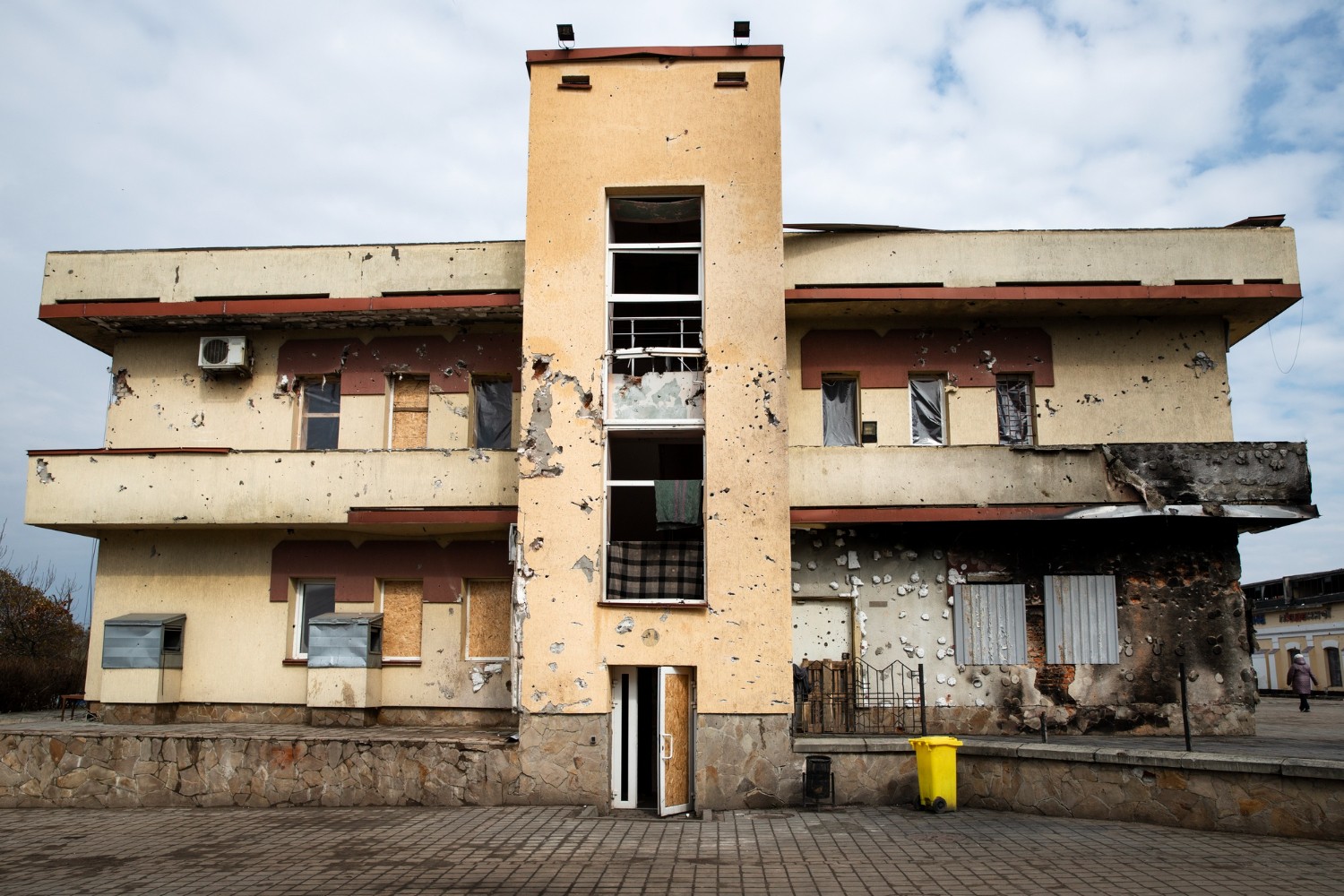
A house may look attractive on the outside and still have problems that are costly to fix.
Poor drainage can contribute to water damage. Faulty plumbing can cause leaks and damage walls or ceilings. Poor waterproofing can lead to dampness, while substandard electrical installations can create safety risks and repeated repair bills.
These problems do not always appear during a brief site inspection.
That is why buyers should ask questions about the construction process, materials used, quality checks, and the systems installed in the property.
For example, was the soil properly assessed before construction? Was the drainage designed for the site? Were electrical and plumbing installations inspected before the walls and ceilings were finished?
These are not merely technical questions. They can affect how much you spend maintaining your home in the future.
3. What does the data tell us?

The cost of maintaining a home is not just a matter of opinion. Energy use, building performance, and repair needs all have measurable financial consequences.
According to the International Energy Agency (IEA), buildings account for around 30% of global final energy consumption, including the energy used in homes and other buildings. This highlights how important energy efficiency is to the cost of occupying a building.
For a homeowner in Abuja, energy expenses can include grid electricity, petrol or diesel for backup generators, inverter or battery replacement, and servicing electrical equipment.
However, the actual amount you spend will depend on your household size, appliances, usage habits, energy systems, and the reliability of the available supply. A global statistic cannot tell you exactly what your monthly bill will be, but it shows why energy performance deserves attention before you buy.
The same principle applies to water systems, drainage, and building materials: decisions made during design and construction can affect the cost of living in a property long after the purchase has been completed.
4. Five questions to ask before buying a ₦300M house

Before committing, ask the developer these five questions:
1. What materials were used for the major parts of the building?
Ask about roofing, waterproofing, plumbing, electrical installations, windows, and other important components. You do not need to be an engineer, but you should understand what you are paying for.
2. How was the building’s quality checked during construction?
Find out whether the developer carried out appropriate inspections and tests at critical stages, rather than relying only on the appearance of the finished house.
3. How reliable are the water and electricity systems?
Ask what infrastructure is provided, how it works, and what you will be responsible for paying to operate and maintain.
4. What are the estate’s recurring fees?
Confirm the current service charge, security costs, waste disposal arrangements, and any other regular fees. Ask what these charges cover and whether they can change.
5. What warranty or post-construction support is available?
Understand what is covered, how long the coverage lasts, and how defects are reported and resolved. Ask for the terms in writing.
These questions will not eliminate every unexpected expense, but they can help you make a better-informed decision.
At Solap Signature Properties, our properties come with a 12-month retention warranty, meaning we are responsible for fixing any construction-related defects that arise within the first year.
5. How can you estimate your future maintenance costs?
There is no single maintenance figure that applies to every ₦300 million house. Two properties with the same price can have very different running costs.
Instead of relying on a guess, request a breakdown of the expenses you can reasonably estimate.
Start with monthly electricity and backup power costs. Add water, security, waste disposal, and estate service charges. Then consider routine servicing and set aside a separate amount for unexpected repairs and future replacements.
If possible, review the property’s maintenance records or ask for a realistic operating-cost estimate based on similar completed properties.
This gives you a clearer picture of the cost of ownership, rather than leaving you to discover everything after moving in.
6. A beautiful home should also make practical sense
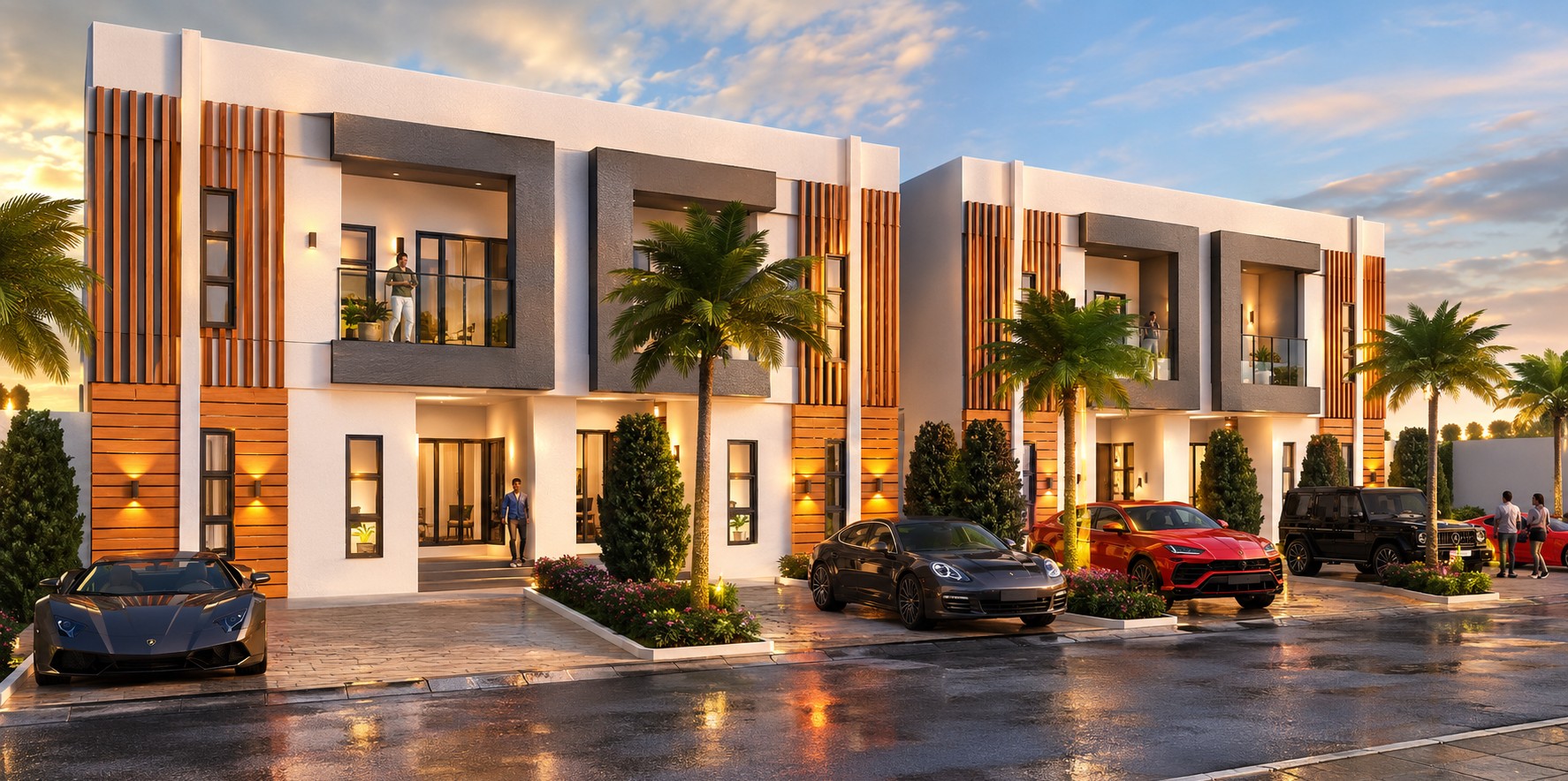
A good property is not defined by its price tag or finishing alone. It should also be thoughtfully designed, properly constructed, and supported by infrastructure that meets the needs of the people living in it.
At Solap Signature Properties, we believe quality starts long before a house is completed. It involves considering the site, paying attention to materials, supervising construction, and checking important details throughout the building process.
Our approach is to make decisions with the long-term performance of the property in mind, not just its appearance at handover.
Of course, no developer can honestly promise that a home will never require repairs. Every building needs maintenance. The goal is to make informed construction decisions, reduce avoidable problems, and help buyers understand their responsibilities before they purchase.
Before you buy, ask the ₦300M question
When you inspect your next property in Abuja, look beyond the tiles, lighting, wardrobes, and beautiful kitchen.
Ask how the house was built. Ask what it costs to run. Ask what support is available when something goes wrong.
Because the true cost of a home is not only what you pay to own it. It is also what you need to spend to keep it safe, comfortable, and functional over time.
Planning to buy a home in Abuja? Speak with Solap Signature Properties and book a site inspection to learn more about our properties, construction approach, and available payment plans.
Leave A Comment