When people buy property, the conversation usually starts with the purchase price.
How much is the house?
What is the payment plan?
Where is it located?
How much will the property be worth in the future?
These are important questions. But there is another question every property buyer should ask:
How much will it cost me to maintain this property after I buy it?
This is one of the most overlooked parts of property ownership.
A home can be a great investment, but if it constantly requires repairs, replacements, repainting, plumbing work, electrical fixes, and other interventions, the cost of owning it can become significantly higher than the price you initially paid.
The real cost of owning a home
Buying a property is not the end of your financial commitment. It is the beginning of a longer ownership journey.
Maintenance can include everything from fixing leaking pipes and damaged fittings to repainting walls, repairing roofs, maintaining drainage systems, replacing electrical components, and addressing problems caused by poor workmanship or inferior materials.
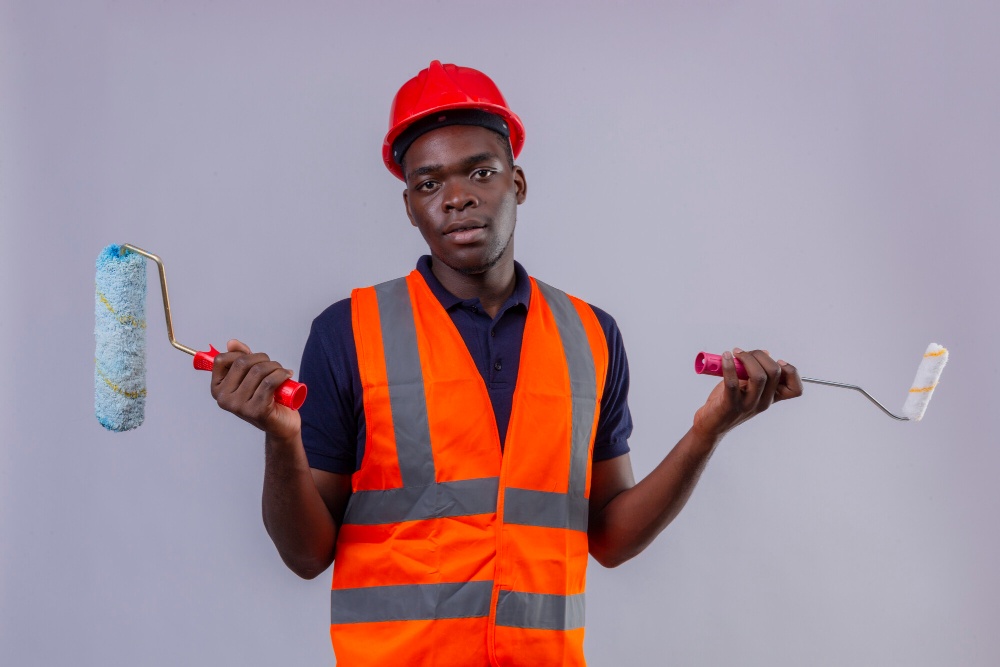
Maintenance is not just about fixing things
One common mistake homeowners make is waiting until something breaks before spending money on maintenance.
That approach can become expensive.
A leaking pipe may initially seem like a small problem. But if ignored, it can contribute to water damage, dampness, deterioration of finishes and other repairs.
The U.S. Environmental Protection Agency’s WaterSense programme estimates that household leaks can waste more than 9,300 gallons of water a year on average, and fixing easily corrected leaks can save homeowners about 10% on their water bills.
The lesson is simple: small defects can become expensive problems when they are ignored.
And this principle goes beyond plumbing.
Poor materials, inadequate drainage, faulty electrical installations, poor waterproofing, weak finishes and difficult-to-maintain building systems can all create recurring costs for homeowners.
How much should you budget for maintenance?
There is no universal maintenance figure that applies to every home because costs depend on factors such as the property’s age, design, materials, location, quality of construction and how the building is used.
As a general international rule of thumb, Fannie Mae recommends budgeting around 1% to 4% of a home’s value annually for maintenance, repairs and replacements, with newer homes generally requiring less than older properties.
This is not a Nigerian-specific benchmark, so it should not be treated as a fixed rule for Abuja homeowners. But it illustrates an important point:
The purchase price is only one part of the cost of owning a property.
The quality of the property you buy can influence the maintenance burden you carry for years.
This is where design matters
Good maintenance does not begin when the homeowner calls a repair technician.
It begins much earlier: during design, material selection, construction and installation.
A property designed with long-term performance in mind can reduce the frequency and severity of certain maintenance problems.
This means buyers should ask developers questions such as:
- What quality of materials is being used?
- How has the property been designed for long-term maintenance?
- How are water and drainage systems handled?
- What measures have been taken to prevent common defects?
- How accessible are key systems when repairs are required?
- What warranty or post-construction support is available?
- What has the developer done to reduce recurring maintenance costs?
These questions can help you look beyond the beauty of a property and understand the long-term value of what you are buying.
Why Solap Signature takes maintenance seriously
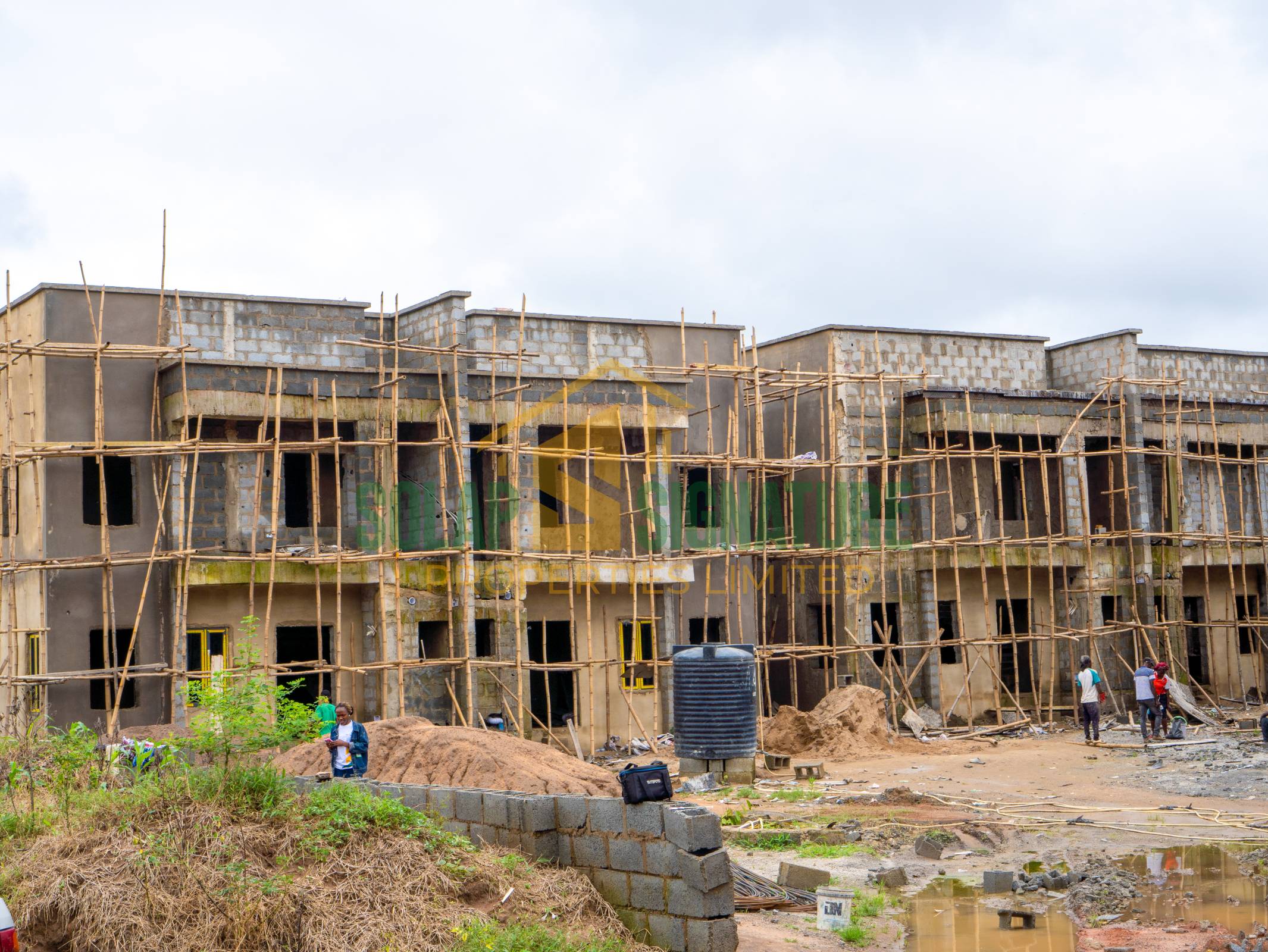
At Solap Signature Properties, we believe a property should not only look good when you take possession. It should also be designed with the long-term ownership experience in mind.
Our approach to smart and sustainable real estate considers what happens after construction, not just during construction.
That is why our properties are designed with systems and construction considerations aimed at reducing post-construction maintenance by up to 50%.
The idea is simple:
We want our clients to spend more of their money enjoying their property and less of it repeatedly fixing preventable problems.
A cheaper property is not always the cheaper property
Imagine two properties with similar purchase prices.
One uses better materials, thoughtful design, and systems that are easier to maintain.
The other requires frequent repairs and replacements.
At the point of purchase, they may look like similar investments.
Five or ten years later, they may tell a very different financial story.
This is why smart property investment should consider total cost of ownership, not just the initial purchase price.
Research on building maintenance also supports the importance of planning for maintenance. A study of the Nigerian built environment found that maintenance budgeting, reducing maintenance expenditure, maintenance financial planning and understanding the cost implications of maintained assets were among the factors with very strong influence on effective building maintenance management.
In other words, maintenance should be part of the investment conversation from day one.
What should you look for before buying?
Before committing to a property, don’t only ask:
“Can I afford this house?”
Also ask:
“Can I afford to own and maintain this house comfortably?”
Consider:
- Construction quality: What materials and workmanship are being used?
- Design: Has the property been designed with durability and ease of maintenance in mind?
- Water management: How are plumbing, drainage and water systems designed?
- Electrical systems: Are the installations properly planned and executed?
- Finishes and materials: Will they withstand the local environment and everyday use?
- Maintenance support: Does the developer provide post-construction support or warranties?
- Long-term costs: What expenses are you likely to face after taking possession?
These questions can save you from buying a property that looks affordable today but becomes expensive to own tomorrow.
Buy for today. Think about tomorrow.
Real estate is a long-term investment.
The best property is not necessarily the one with the most impressive finishing or the lowest price. It provides value throughout the ownership journey.
At Solap Signature Properties, we believe smart real estate should combine quality, sustainability, professionalism and long-term value.
Because when you invest in a home, you are not only buying walls, floors and a roof.
You are buying years of ownership.
And those years should be designed to cost you less, not more.
Ready to make a smarter property investment?
Explore Solap Signature Properties and discover developments designed with quality, sustainability and long-term ownership in mind.
Book a site inspection today and speak with our team about available properties and payment options.
Leave A Comment