
When buying property, the building is only part of the decision. The location matters just as much.
A beautiful house in an area with poor road access, drainage problems, limited essential services, or weak demand may not be the best investment. On the other hand, a location with growing housing demand, improving infrastructure, and access to jobs and everyday services may offer better long-term opportunities.
But how do you tell the difference between a location with genuine investment potential and one that simply looks promising?
At Solap Signature Properties, we believe smart property investment starts with asking the right questions and checking the facts.
1. Look for signs of population growth and housing demand

One of the first things to consider is whether people have good reasons to live in the area.
Are new businesses opening nearby? Are people moving into the neighbourhood? Is the area accessible to workers, families, and business owners? Are there schools, hospitals, shopping centres, and other services that residents need?
These factors can help you understand whether a location may attract future residents and potential tenants.
Abuja is a useful example. A World Bank assessment published in 2025 reported that the city’s population grew from approximately 703,000 in 2000 to 2.9 million in 2021. It also documented significant expansion of the city’s built-up area. This growth helps explain why housing and urban infrastructure are important considerations across the Federal Capital Territory.
However, population growth alone does not guarantee that every neighbourhood will appreciate. You still need to assess demand in the specific area where you intend to buy.
2. Check existing and planned infrastructure
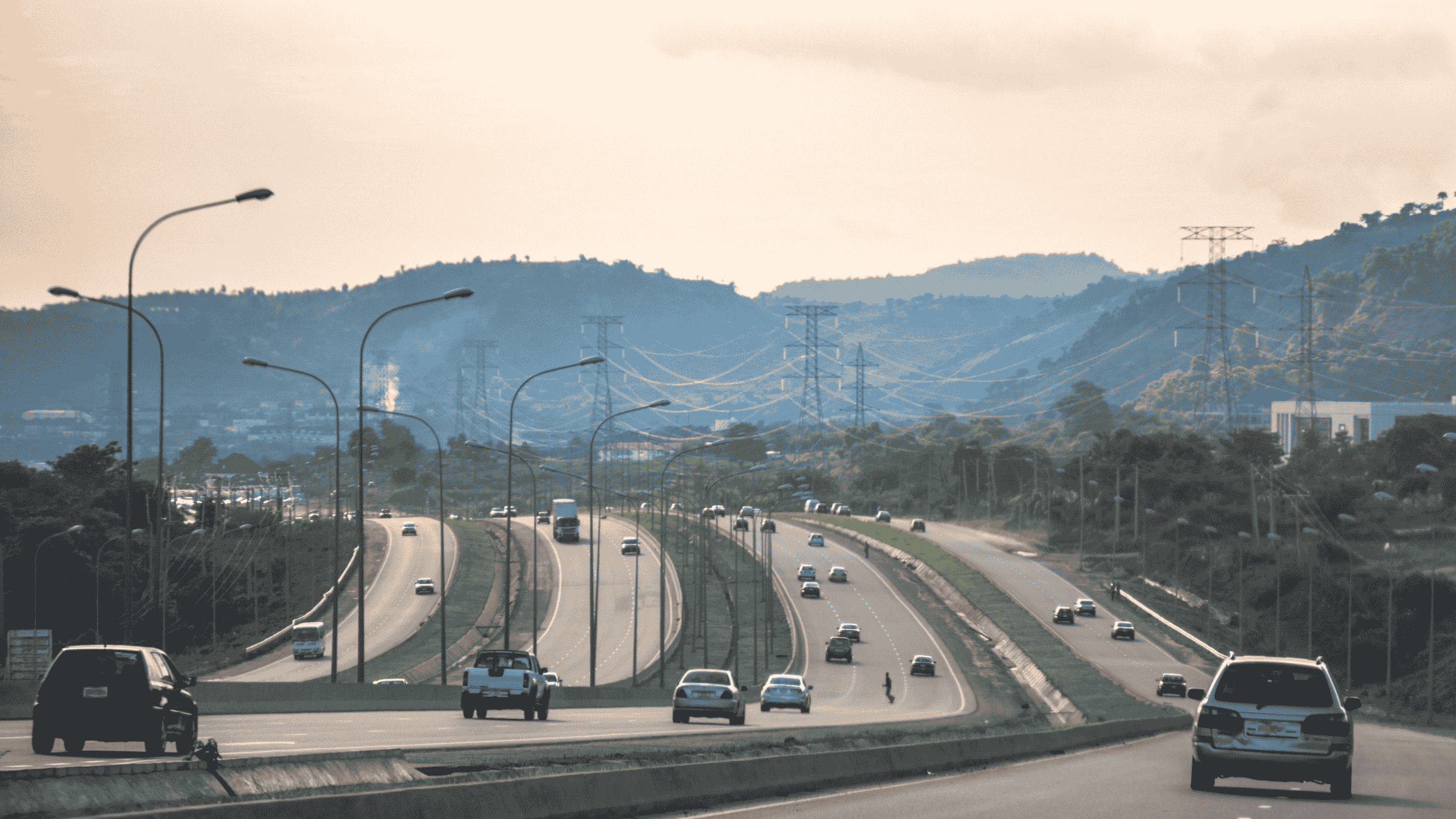
Roads, public transport, electricity, water supply, drainage, and telecommunications all influence how practical a location is for everyday living.
Consider two properties with similar designs and prices. One is close to major roads, workplaces, and essential services, while the other requires long journeys and has limited access. The first may appeal to a wider range of buyers or tenants, depending on other factors.
When assessing a location, look beyond announcements. Find out which projects have been completed, which are under construction, and which remain proposals. A proposed road or rail line should not be treated as a completed benefit.
Also, check whether the property has reliable access to essential services today, not just whether those services might arrive in the future.
3. Understand the area’s development plans
A location may be attracting attention because development is moving towards it. But before investing, find out whether that growth aligns with approved planning and land-use arrangements.
The Federal Capital Development Authority is responsible for planning and developing Abuja. Its official planning department also identifies satellite-town development as part of efforts to manage the city’s growth and decongest the centre.
This makes it important to ask questions such as:
- Is the property within an appropriately planned residential area?
- Is the land designated for the use you have in mind?
- Are there restrictions, setbacks, or proposed infrastructure corridors that could affect the property?
- Can the developer establish valid ownership and the right to sell?
Do not rely solely on a salesperson’s claims about what an area will become. Verify relevant planning information and property documents with the appropriate authorities and a qualified property lawyer.
4. Study property prices and actual demand
A location is not automatically a good investment because property prices are high or because someone predicts that they will rise.
You need to understand what buyers and tenants are actually willing to pay.
Research comparable properties in the same neighbourhood. Look at asking prices, but also try to establish actual transaction prices where reliable information is available. For rental investments, investigate achievable rents, vacancy periods, service charges, maintenance costs, and the type of tenants the area attracts.
For example, an apartment may appear affordable, but if demand for rentals is weak or ongoing costs are high, the income it generates may not justify the purchase price.
Likewise, a property in a developing neighbourhood may have room for growth, but that growth is not guaranteed.
The goal is to buy based on evidence, not hype.
5. Pay attention to drainage, flooding, and the physical environment
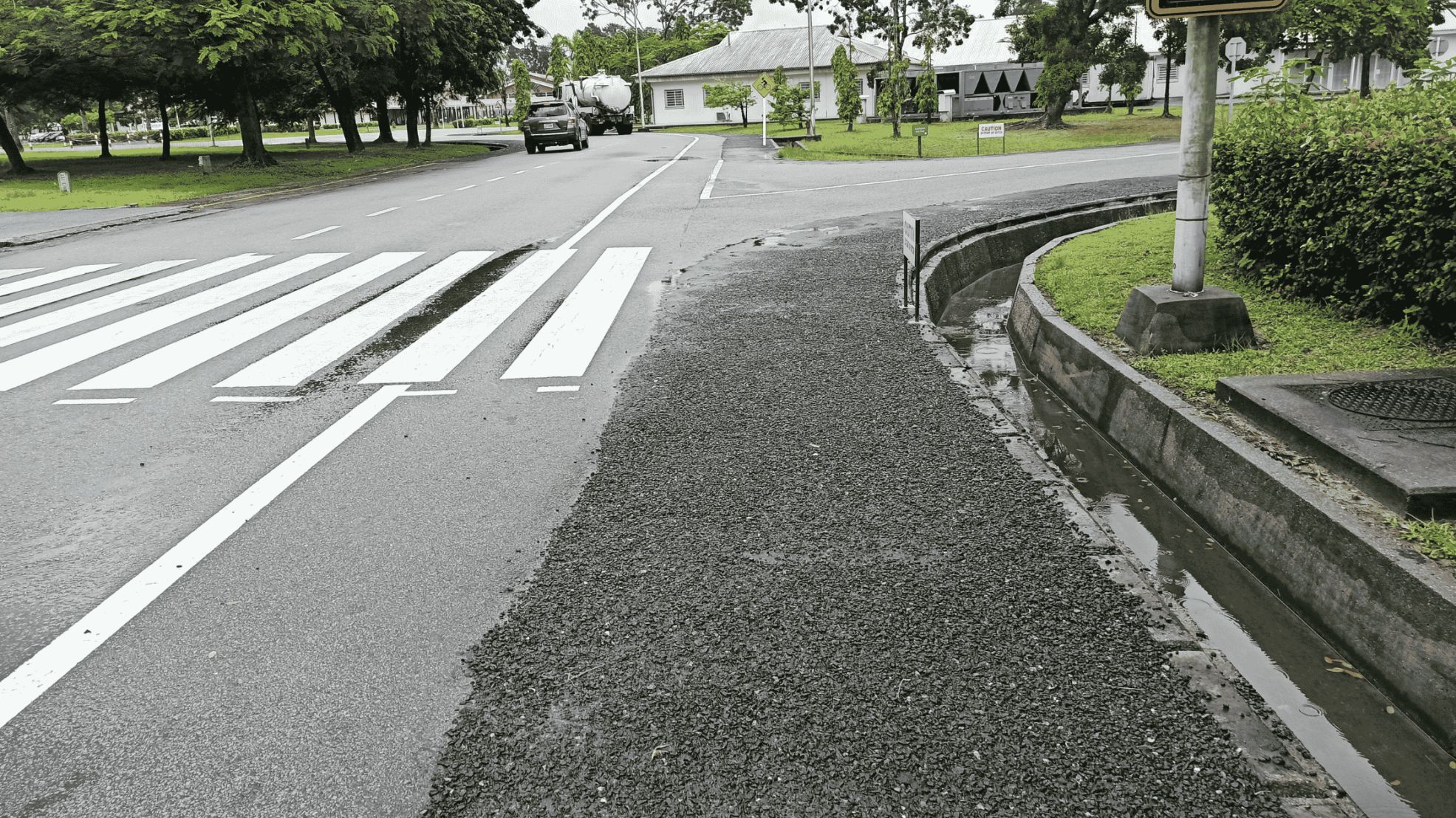
Infrastructure and accessibility are important, but so is the condition of the land itself.
Before buying, inspect the area during or after rainfall where possible. Check the drainage system, road conditions, surrounding terrain, and any signs of erosion or flooding. Ask about the site’s soil conditions and whether appropriate assessments have been carried out.
A World Bank assessment of Abuja found that built-up areas exposed to surface-water and riverine flooding expanded between 1985 and 2015. It also identified flood exposure in some populated areas of the FCT.
This is a practical reminder that a property’s location should be assessed for environmental risks, not just its proximity to major roads or commercial districts.
At Solap Signature Properties, we believe these considerations should form part of responsible property decisions. Understanding the site and its surroundings helps buyers ask better questions before committing their money.
6. Consider the full cost of owning the property
The purchase price is only one part of your investment.
You should also consider legal and documentation fees, taxes and applicable charges, service charges, security, maintenance, transport costs, and any work required before the property can be occupied or rented out.
A property in a more affordable location may not necessarily be cheaper to own if access roads are poor, essential services are limited, or maintenance costs are high.
Similarly, a more expensive property may not deliver better returns if its price is already too high relative to achievable rental income or resale demand.
Look at the total cost of ownership and how it compares with the benefits the location offers.
7. Verify the property before making payment

Even when a location appears promising, the individual property must still pass its own checks.
Confirm the ownership and title status, establish that the seller has the legal authority to sell, review relevant planning approvals, and have a qualified property lawyer examine the transaction.
Visit the property in person or arrange an independent inspection if you are buying from abroad. Do not rely on photographs, videos, or verbal promises alone.
For Nigerians in the diaspora, this step is particularly important. You can invest in Abuja from anywhere in the world, but distance should never replace independent verification.
A promising location cannot compensate for defective documentation or unresolved ownership issues.
Before investing in property, ask yourself these five questions:
- Demand: Are people interested in living or working in the area?
- Infrastructure: Are roads and essential services accessible and reliable?
- Development: Is the area supported by credible planning and infrastructure evidence?
- Costs and risks: Do the price, ownership costs, and environmental conditions make sense?
- Verification: Have you independently checked the property documents and the seller’s authority to sell?
No single factor guarantees property appreciation. The strongest investment decisions come from combining local research, realistic financial expectations, proper documentation, and an understanding of the area’s long-term needs.
Make Your Next Property Decision Count
At Solap Signature Properties, we are committed to helping buyers make informed real estate decisions through thoughtful development, quality construction, and a focus on smart and sustainable living.
Whether you are buying your first home, investing for rental income, or purchasing property in Abuja from abroad, take time to understand both the property and its location before committing your money.
Are you considering buying property in Abuja? Which matters most to you: the current price, the location’s future potential, or the quality of the property?
Contact Solap Signature Properties to learn more about our developments and book a site inspection. Let us help you take the next step towards making a more informed property decision.
Leave A Comment