
Choosing the wrong real estate location is one of the most expensive mistakes a property investor can make. A building can be renovated, upgraded or redesigned, but its location cannot be changed. This means that even a beautifully designed property can become a poor investment if it is situated in an unsuitable area.
Explore Solap Group’s property projects as we uncover seven costly real estate location mistakes that could destroy your investment, affecting property value, accessibility, rental income and long-term investment potential.
Whether you are buying a home, acquiring land or investing in rental property, understanding these seven mistakes explained below can help you make informed decisions, avoid costly risks and protect your investment.

1. Choosing the wrong Real Estate Location Based on Price Alone
A low purchase price may seem attractive, but it could conceal problems such as poor infrastructure, limited accessibility, low demand or an unfavorable neighborhood.
Two properties with similar designs and features can have significantly different market values because of their locations.
What you should do: Look beyond the purchase price. Evaluate the area’s infrastructure, accessibility, surrounding developments and property demand before making a decision.
2. Ignoring Accessibility and Road Networks
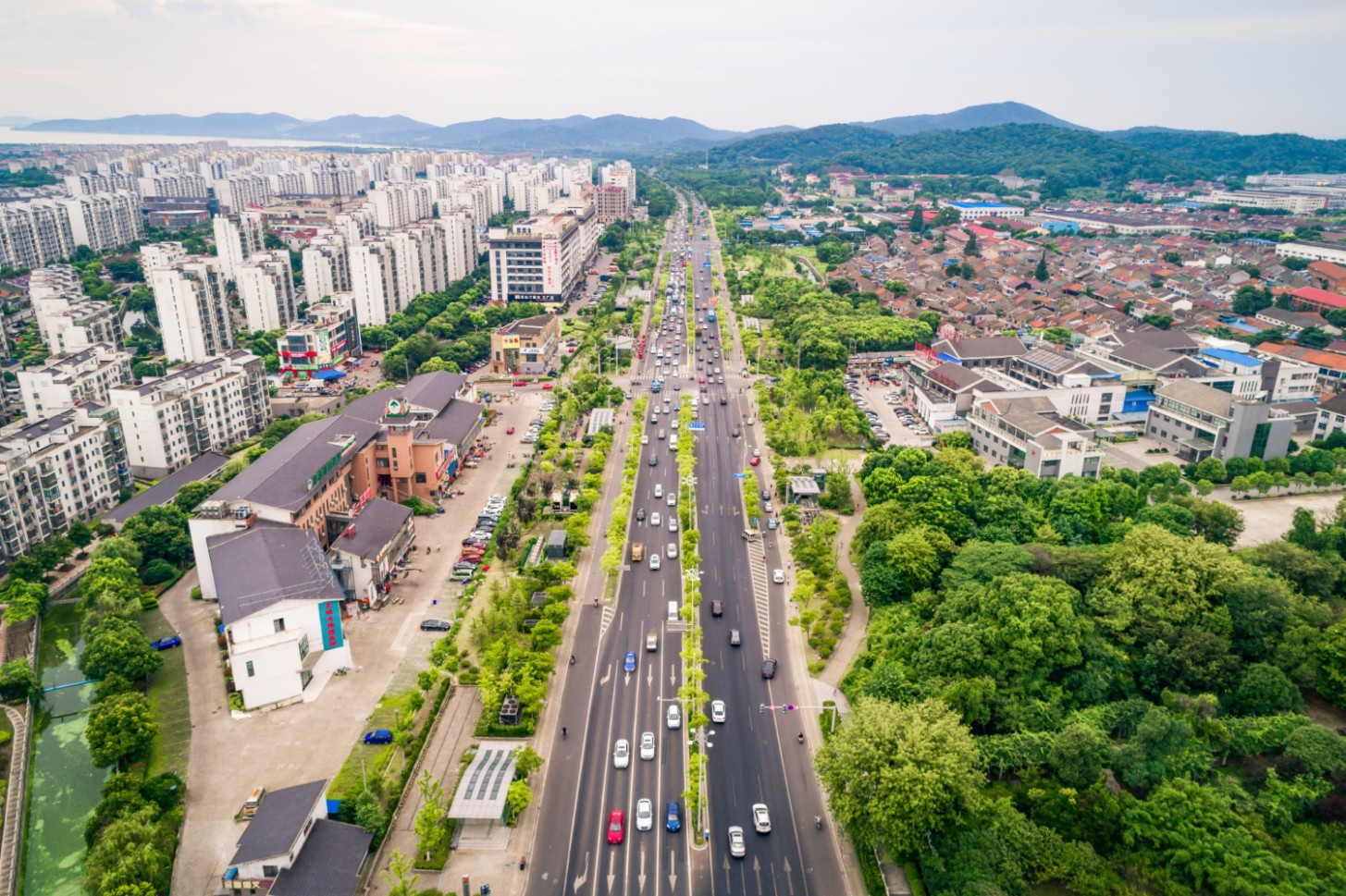
A property may look attractive on paper, but what happens when occupants struggle to access it?
Poor road networks, limited transportation options and long commuting distances can make a property less desirable to homeowners, tenants and businesses.
In Abuja, where movement between residential and commercial districts is common, accessibility can significantly influence property demand.
What you should do: Examine the available access roads, alternative routes, proximity to workplaces, schools, hospitals and other essential destinations. Visit the location at different times to understand actual commuting conditions.

3.Overlooking Real Estate Location and Infrastructure Risks
Buying property without properly assessing the available infrastructure can create unexpected expenses.
Inadequate drainage, unreliable electricity, poor water supply and undeveloped access roads can affect the property’s usability and increase the cost of development or maintenance.
An area may have attractive development promises, but proposed infrastructure is not the same as completed infrastructure.
What you should do: Inspect the existing infrastructure and verify the credibility and progress of proposed projects before investing.
4. Failing to Research Rental Demand
For investors seeking rental income, buying property in an area without understanding its tenant market can become a costly decision.
A property may be beautifully designed but struggle to attract tenants if it is far from workplaces, schools, commercial centers or other locations that matter to its target occupants.
Professionals, families and businesses have different location preferences.
What you should do: Research the area’s rental market, identify your target tenants, examine comparable rental prices and assess how consistently similar properties attract occupants.

5. Overlooking Real Estate Location and Infrastructure Risks
Another costly real estate location mistake is purchasing property solely because someone promises that the area will become the next major investment destination.
Urban expansion can create opportunities, but not every developing neighborhood will experience the same level of growth or appreciation.
Research published in Land Use Policy in 2025 examined Abuja’s urban expansion between 1991 and 2021, showing settlement growth from approximately 18.5 square kilometers to 333.6 square kilometers.
This demonstrates the scale of urban transformation and the potential for changing development patterns to influence property opportunities. However, expansion alone does not guarantee that every property will appreciate.
What you should do: Verify government development plans, infrastructure projects, commercial activities and actual market demand. Invest based on credible evidence rather than speculation or promises.
6. Neglecting Security and Neighborhood Quality
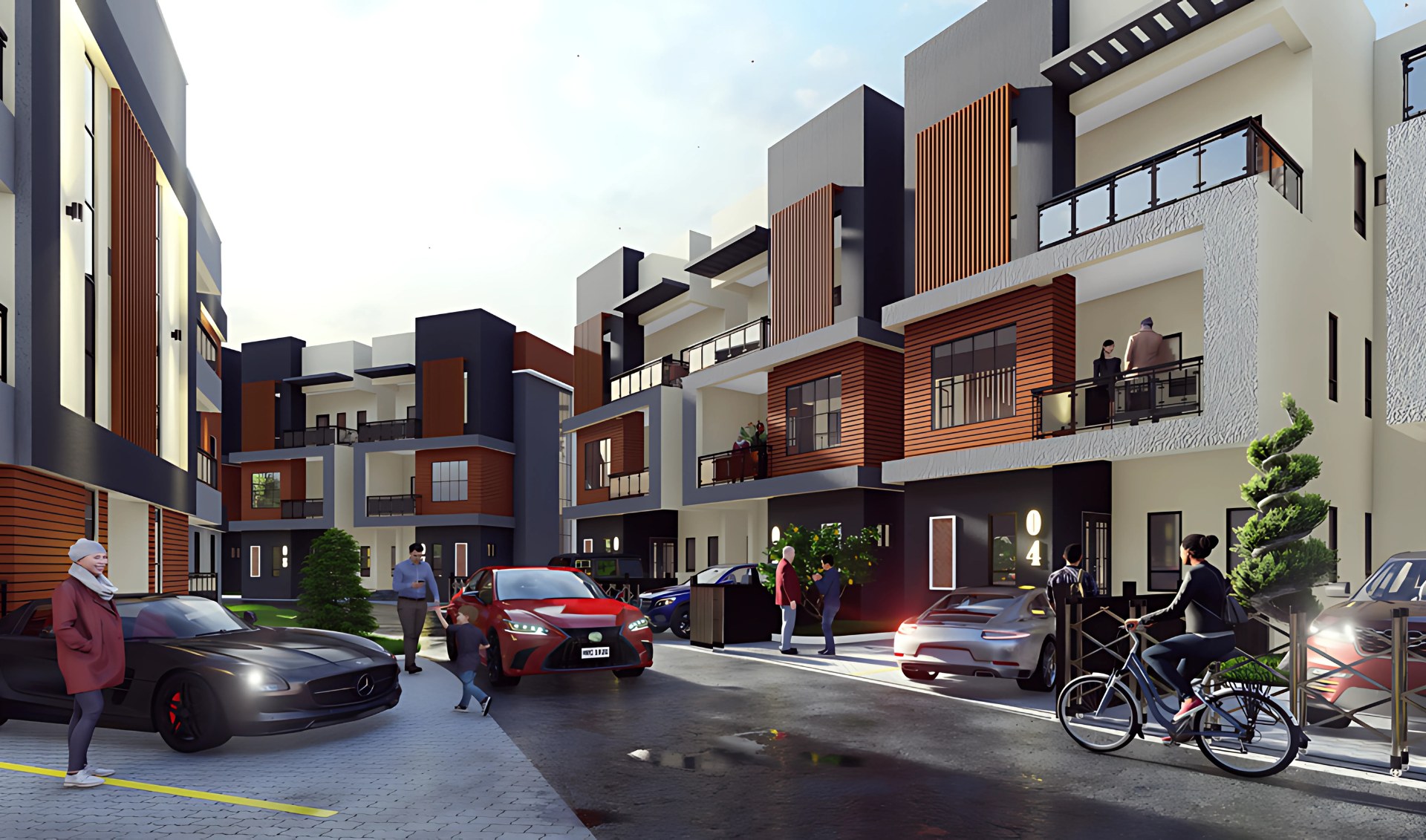
A property’s value is not determined by the building alone. Its surroundings also influence how attractive it is to potential occupants and buyers.
Ignoring security, street lighting, drainage, waste management and general neighborhood conditions can expose investors to challenges that affect occupancy and long-term desirability.
Research on housing-location choices in Abuja has also identified a safe and secure environment as an important consideration for residents.
What you should do: Visit the neighborhood, assess its security arrangements and environmental conditions, and speak with people familiar with the area before committing your money.

7. Forgetting About Resale Potential
Some investors focus entirely on acquiring a property without considering who might want to purchase it in the future.
A property in an area with limited demand, poor accessibility or inadequate infrastructure may be harder to resell, even when the building itself is attractive.
Real estate investment should involve thinking beyond the purchase date.
What you should do: Study comparable property sales, buyer demand, neighborhood development and the area’s long-term prospects. Consider whether the location will remain attractive to future buyers.
CONCLUSION: YOUR LOCATION DECISION COULD MAKE OR BREAK YOUR INVESTMENT
In real estate, location can make or break an investment. Choosing the wrong real estate location can cost you more than you initially save. It can affect property value, limit rental opportunities, increase maintenance expenses and make resale more difficult.
As Abuja continues to expand, investors must look beyond attractive prices, impressive buildings and promises of future development.
Before purchasing, carefully evaluate the real estate location, assess infrastructure, understand market demand, investigate neighborhood conditions and verify the property’s legal status.
You can renovate a building, improve its features and upgrade its design, but you cannot relocate the land on which it stands.
At Solap Group, we believe informed property decisions begin with understanding not just what you are buying, but where you are investing.
Make informed decisions. Invest with confidence.
Leave A Comment