When people are looking for a property in Abuja, the first things they often consider are the house, the price, and the number of bedrooms.
But there is another decision that can be just as important: where the property is located.
A beautiful house in the wrong neighbourhood can become frustrating to live in. Long commutes, poor roads, flooding, limited access to essential services, or rapid, unplanned development can affect your everyday experience and the long-term usefulness of the property.
This is why you should look beyond the building itself and pay attention to the neighbourhood.
Here are four things to consider before making your decision.
1. How easy is it to get around?
Think about your daily routine.
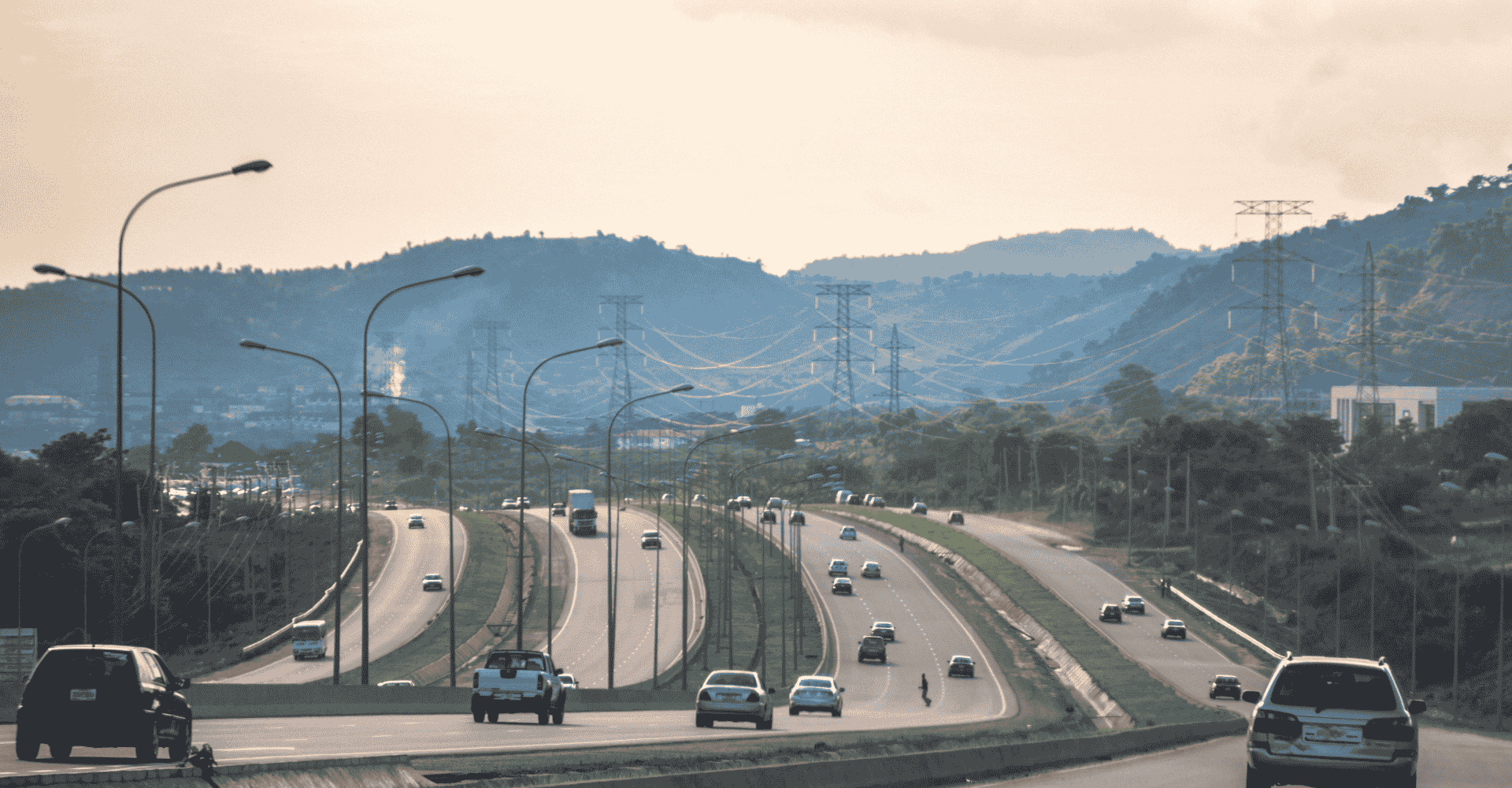
How long will it take you to get to work? How close is the neighbourhood to major roads? Can you easily access schools, hospitals, shopping areas, places of worship, and other places you visit regularly?
This is particularly important in Abuja because the city is planned around different districts and road networks. The FCDA says Abuja currently has about 93 districts across five phases, with regional roads and district infrastructure forming part of the city’s planning framework.
But don’t judge accessibility based on a map alone.
A neighbourhood that looks close on Google Maps may have a difficult access road, limited alternative routes or significant traffic at certain times of the day.
Before buying, visit the area at different times and experience the journey yourself.
Ask yourself:
- How long does it take to get there during peak hours?
- Are the access roads motorable throughout the year?
- Are there alternative routes?
- How close is it to the places that matter to you?
2. What is the infrastructure like?
A neighbourhood is more than houses.
Look at the roads, drainage, electricity, water supply, telecommunications, waste management and other infrastructure around the property.
This matters because infrastructure can significantly affect how comfortable a neighbourhood is.
For example, recent World Bank analysis of Abuja found that 34% of households in Abuja are connected to public water systems, while only 45% of waste generated in the FCT is collected.
Flooding is another issue buyers should take seriously.
A 2026 study of Abuja found that 44.3% of the Federal Capital City is at high or very high risk of runoff accumulation, with 59 of 134 districts falling within those categories.
That doesn’t mean every property in those areas will flood. It simply shows why drainage and the physical characteristics of a neighbourhood should be part of your due diligence.
Don’t just visit a neighbourhood during the dry season. Ask what happens when the rains come.
3. What is the neighbourhood likely to become?
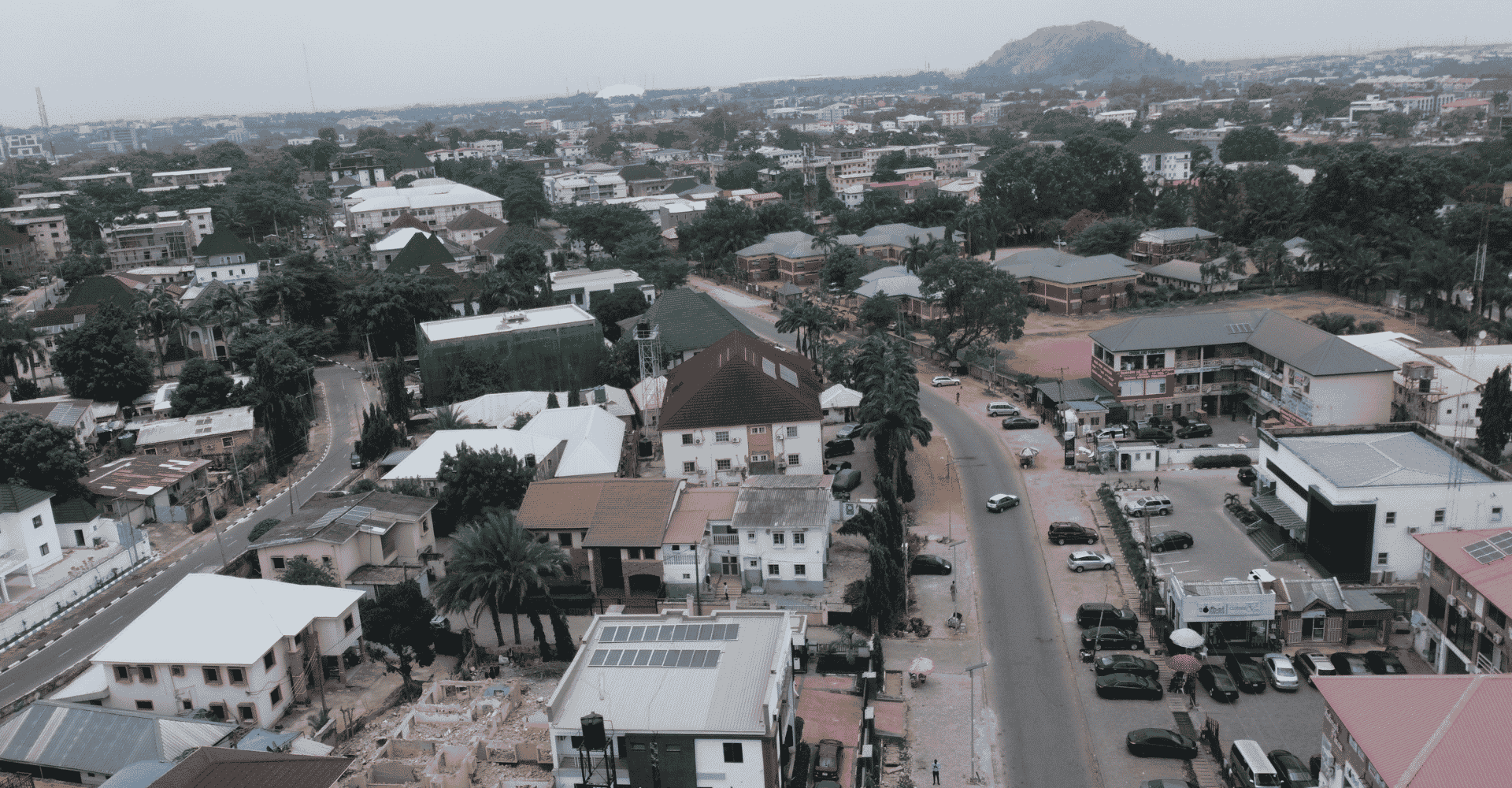
Don’t only look at what the neighbourhood is today. Look at what it is becoming.
Are new roads being developed? Are more homes, schools, commercial spaces or other facilities coming into the area? Is the neighbourhood part of a planned development corridor?
Abuja’s development is guided by the Abuja Master Plan, and the FCDA continues to develop infrastructure across different districts and corridors.
This is important because neighbourhoods change.
An area that is quiet today may become much busier as more people move in. At the same time, a developing area can gain better infrastructure and services as development progresses.
If you’re buying for investment, this is especially worth considering. But don’t base your decision simply on promises that an area will “soon become the next big thing.”
Ask for evidence.
Find out what developments are actually approved, what infrastructure is planned and what is already under construction.
4. Is the property and its development properly documented?

Finally, don’t separate the neighbourhood from the paperwork.
Before buying, you should understand the title of the property, the relevant approvals and whether the development is consistent with the area’s planning requirements.
This is particularly important in Abuja because development is guided by the Master Plan and designated areas such as roads, waterways and other infrastructure corridors are not simply available for development because they appear empty.
The FCDA has specifically warned about encroachment on road corridors and waterways, noting that such encroachments can contribute to flooding and that developers should remain within the boundaries of their approved titles and allocations.
So don’t just ask, “Is this property available?”
Ask:
- What title does the property have?
- What approvals are in place?
- Has the land been properly surveyed?
- Is the development approved for its intended use?
- Can I independently verify the documents?
A good sales conversation should make it easier for you to ask these questions, not discourage you from asking them.
What this means for you
Choosing a neighbourhood is ultimately about choosing the kind of life you want to live and the environment in which your property will exist.
Before you buy, look beyond the building.
Consider accessibility, infrastructure, future development and proper documentation.
And most importantly, don’t make the decision from pictures or brochures alone.
Visit the neighbourhood. Drive around. Ask questions. Look at the roads. Check the surroundings. Visit at different times if possible.
At Solap Signature Properties, we believe buyers should have the opportunity to see and understand a property before making a decision. That’s why we encourage prospective buyers to come for a site inspection, ask questions, and assess the development for themselves.
Before choosing a neighbourhood, ask yourself four simple questions:
1. Can I easily get around from here?
2. Does the neighbourhood have the infrastructure I need?
3. What is this area likely to look like in the future?
4. Are the property and development properly documented and approved?
The right property is not just about the building. The neighbourhood matters too.
So, if you had to choose between a beautiful house in a poorly planned neighbourhood and a well-built house in a well-planned, accessible neighbourhood, which would you choose?
If you’re considering a property with Solap Signature Properties, book a site inspection and come see the neighbourhood, the development and the property for yourself.
Your Trusted Guide to Smart Real Estate Investment.
Leave A Comment