
When people think about constructing a building, they often focus on the visible elements: the architectural design, the quality of materials, the finishes, and the overall appearance of the structure. However, one of the most important factors determining whether a building will stand the test of time lies beneath the surface: the soil.
A building is only as strong as the foundation that supports it, and a foundation is only as reliable as the ground on which it is built. This is why soil testing is one of the most critical steps in any construction project.
At Solap Signature Properties Limited, we recognize that successful developments begin long before the first block is laid. Proper soil investigation forms an essential part of our commitment to delivering safe, durable, and high-quality developments.
Understanding Soil Testing
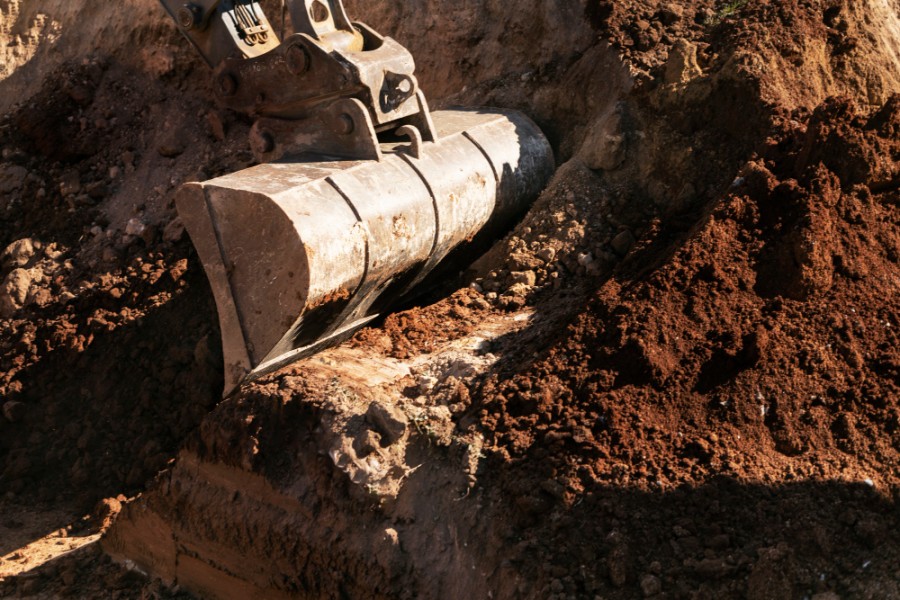
Soil testing, also known as geotechnical investigation, is the process of examining the physical and engineering properties of the soil on a proposed construction site.
The process helps engineers determine:
– The soil’s bearing capacity
– Soil composition and strength
– Groundwater levels
– Settlement characteristics
– Drainage conditions
– Suitable foundation types
The information gathered allows structural engineers to design foundations that can safely support the weight of the building throughout its lifespan.
Without proper soil testing, construction decisions are often based on assumptions rather than scientific data.
Why Building Failure Happens
Building failure rarely occurs suddenly. In most cases, warning signs appear over time.
These signs may include:
– Cracks in walls and floors
– Uneven settlement
– Foundation movement
– Structural deformation
– Water infiltration
– Partial or complete collapse
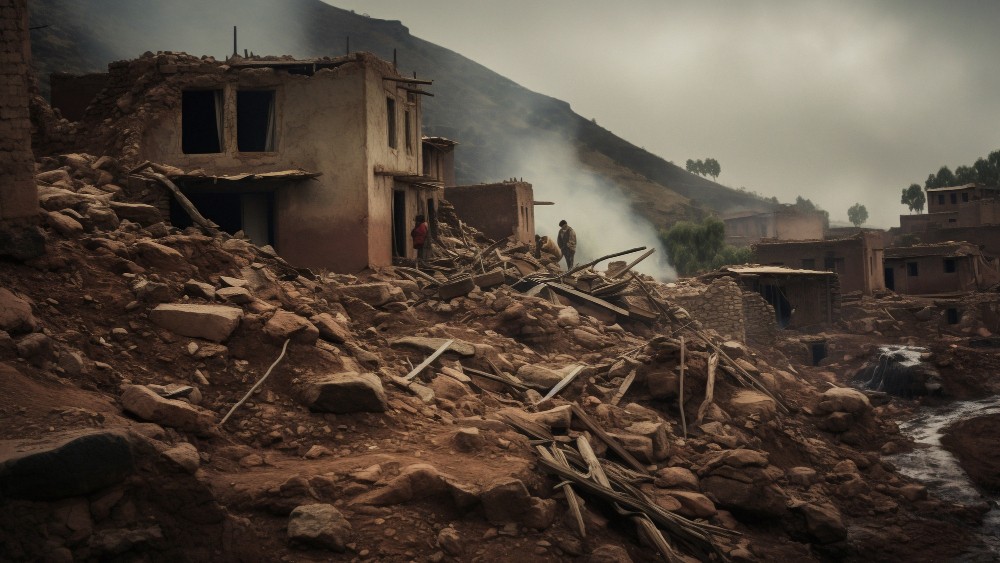
Research on building collapses in Nigeria consistently identifies weak foundations and inadequate geotechnical investigations as major contributing factors. Studies have highlighted foundation problems, the absence of geotechnical reports, and poor soil investigation among the recurring causes of structural failures across the country.
The Cost of Ignoring Soil Testing
Many developers skip soil testing in an attempt to reduce project costs or speed up construction timelines. Unfortunately, this short-term saving can result in far greater expenses later.
According to industry reports, inadequate soil testing remains one of the recurring causes of structural failures in Nigeria because engineers are unable to design the appropriate foundation system without accurate information about ground conditions.
Experts have also reported that geotechnical investigation failures account for approximately 21.54% of recorded building collapse cases in Nigeria, making it one of the leading causes of structural failure.
This means that many building failures could potentially have been prevented if proper soil investigations had been conducted before construction began.
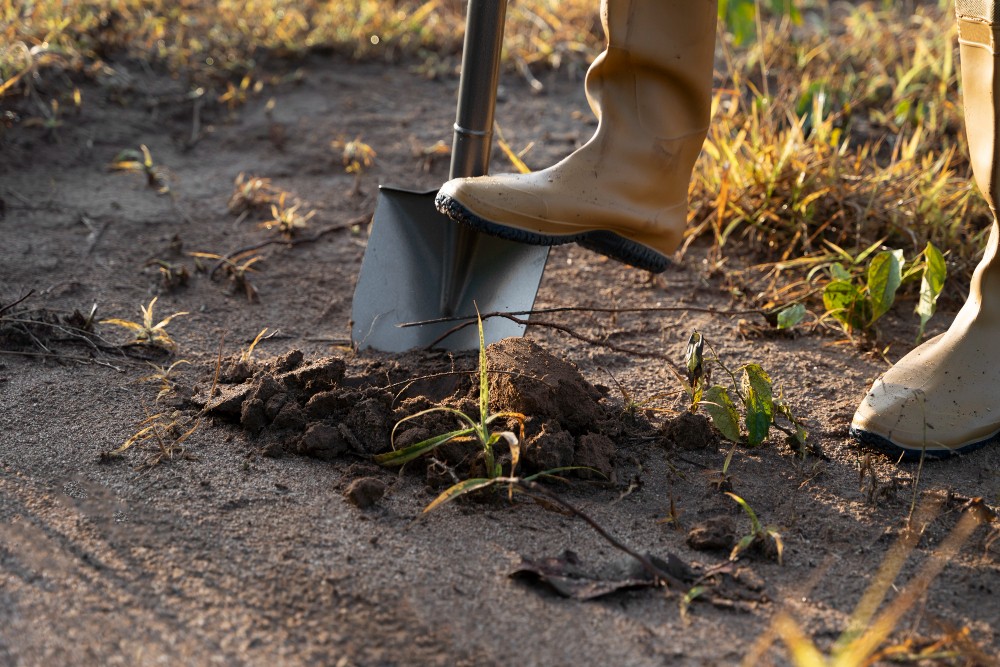
How Soil Testing Prevents Building Failure
1. Determines the Right Foundation Design
Not all soils are the same.
A foundation that works perfectly on one site may fail on another. Soil testing helps engineers understand how much weight the ground can safely carry and what type of foundation is most suitable.
This ensures that the building load is distributed properly and reduces the risk of future structural problems.
2. Prevents Differential Settlement
One of the most common causes of structural damage is differential settlement, which occurs when different parts of a building sink at different rates.
This can lead to:
- Cracked walls
- Misaligned doors and windows
- Structural instability
Soil testing identifies variations in soil strength and composition, allowing engineers to design foundations that minimize uneven settlement.
3. Identifies Groundwater and Drainage Issues
Excess moisture can significantly weaken soil strength.
A geotechnical investigation reveals groundwater conditions and drainage challenges that may affect the long-term stability of the structure.
This information helps engineers implement appropriate drainage and foundation solutions before construction begins.
4. Detects Problematic Soil Conditions
Some soils expand when wet and shrink when dry. Others may contain loose fill materials, organic matter, or highly compressible layers that cannot adequately support a building.
Without testing, these conditions may remain hidden until major structural problems occur.
Soil testing identifies these risks early, enabling engineers to take corrective measures before construction starts.
5. Improves Safety and Longevity
Ultimately, soil testing helps ensure that buildings remain safe and functional for decades.
A properly designed foundation reduces maintenance costs, minimizes structural risks, and protects lives and property.
Considering that studies have documented hundreds of building collapse incidents in Nigeria over the years, with significant loss of lives and property, investing in proper site investigation is not merely a regulatory requirement; it is a safety necessity.
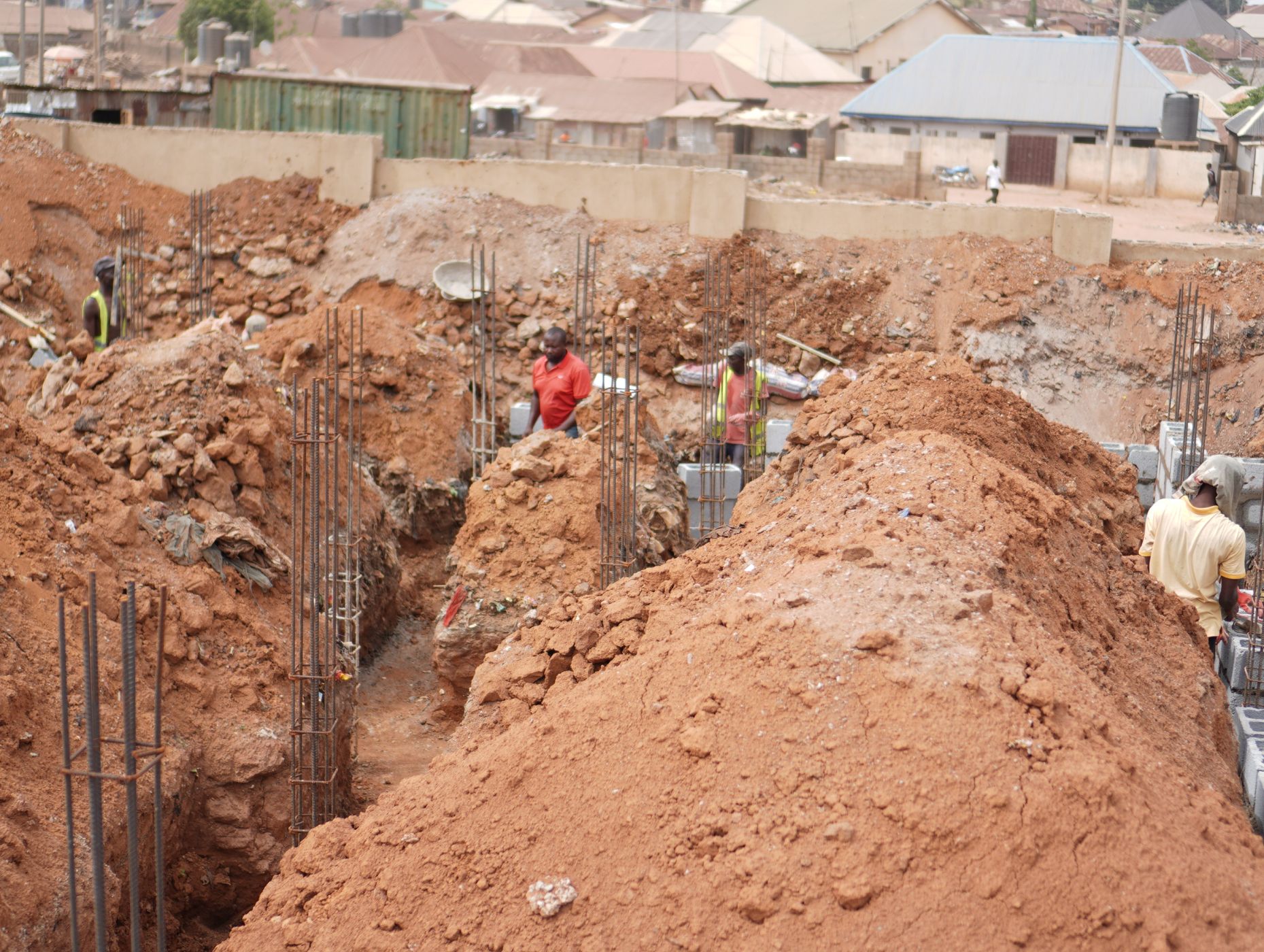
Beryl Estate Guzape Foundation
Soil Testing Is an Investment, Not an Expense
Some developers view soil testing as an additional cost. In reality, it is one of the most cost-effective investments in any construction project.
The cost of a geotechnical investigation is often a small fraction of the total project budget. However, the financial consequences of foundation failure, structural repairs, litigation, project delays, or building collapse can be enormous.
By investing in soil testing upfront, developers significantly reduce risks and improve the overall success of their projects.
Solap Signature Properties’ Commitment to Quality
At Solap Signature Properties Limited, we believe that quality construction begins from the ground up.
Every successful development starts with understanding the site conditions and ensuring that the appropriate engineering solutions are applied from the earliest stages of planning.
Our commitment to excellence extends beyond aesthetics. We prioritize safety, durability, structural integrity, and long-term value in every project we undertake.
That is why proper site assessment and professional engineering practices remain a key part of our development process.
Building failure often begins where people cannot see it beneath the ground.
Soil testing provides the scientific data needed to design safe foundations, prevent structural defects, reduce construction risks, and protect investments. It helps engineers make informed decisions that ensure buildings remain stable, durable, and safe for generations.
In a country where building collapse remains a serious concern, proper geotechnical investigation is not an option; it is a necessity.
Ready to Invest in Quality Real Estate?
At Solap Signature Properties Limited, we are committed to delivering developments built on a foundation of quality, safety, and integrity.
Whether you are purchasing a home, investing in property, or partnering on a development project, our team is dedicated to ensuring every investment is designed for long-term value and peace of mind.
Contact Solap Signature Properties today to learn more about our projects and discover how we are building communities that stand the test of time.
Leave A Comment